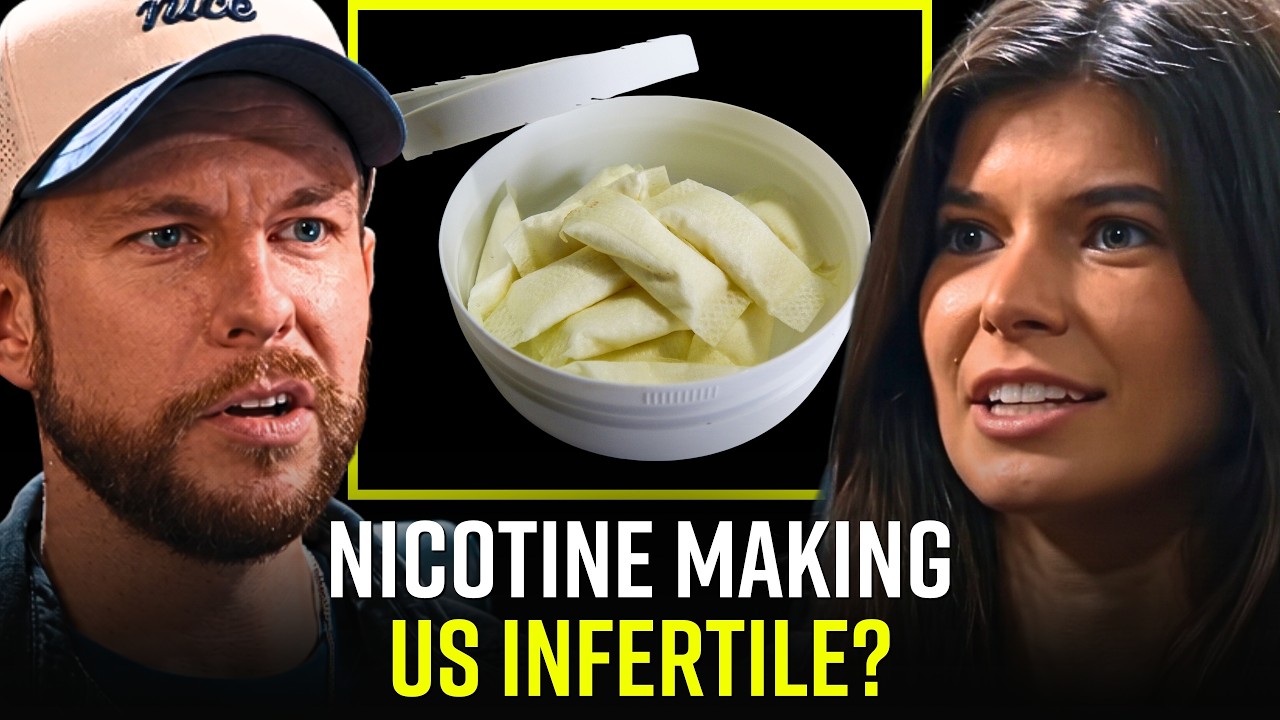
How Epigenetics and Ancestral Health Impact Modern Fertility Struggles
Epigenetics reveals that modern fertility struggles are not just about your immediate lifestyle choices; they are deeply influenced by the health, toxin exposure, and stress levels of your parents and grandparents. Understanding how ancestral DNA expression affects reproductive health provides a new framework for overcoming unexplained infertility.
Key Takeaways
- Your parents' and grandparents' lifestyle choices can chemically modify how your own genes express themselves regarding reproductive health.
- Epigenetic changes are reversible through targeted interventions in diet, toxin avoidance, and stress management.
- Conventional medicine often overlooks intergenerational health factors when diagnosing unexplained infertility.
- Preparing your body for pregnancy requires addressing root-cause systemic health rather than relying solely on assisted reproductive technologies like IVF.
- Managing chronic stress and cultivating joy are critical biological components for optimizing cellular and reproductive function.
The Science of Intergenerational Fertility
When couples struggle to conceive despite having "normal" lab results and no clear medical diagnosis, frustration usually follows. Modern medicine is exceptionally good at looking at the individual in isolation—running hormone panels, checking AMH levels, and scanning reproductive organs. However, it frequently misses the invisible backpack of biological history that every person carries into conception.
Epigenetics is the study of how behaviors and environment can cause changes that affect the way your genes work. Unlike genetic mutations, which alter the actual DNA sequence, epigenetic changes attach chemical tags to your DNA that turn genes "on" or "off." These tags can be passed down from generation to generation. If your parents or grandparents experienced chronic severe stress, heavy metal toxicity, nutritional deficiencies, or chemical exposures, those environmental pressures may have left chemical signatures on their germ cells—the sperm and eggs that eventually formed you.
This means that a modern rise in infertility isn't just about what you are eating today or how much screen time you get. It is also a cumulative reflection of an industrializing world that began altering human biology decades ago. Recognizing this does not mean resigning yourself to bad genetic luck; rather, it shifts the paradigm from feeling helpless to understanding that gene expression is entirely malleable.
How Ancestral Toxins and Stress Alter Reproductive Biology
The human body is an incredible survival machine, but it prioritizes immediate survival over reproduction when it perceives danger. If past generations experienced severe environmental stressors, famines, or toxin overloads, epigenetic mechanisms may have programmed subsequent generations to be hyper-vigilant or energetically conservative.
In the context of fertility, this manifests as downregulated endocrine function, sluggish cellular detoxification, and heightened inflammatory responses. When these epigenetic tags meet modern stressors—such as ultra-processed foods, microplastics, chronic cortisol elevation, and sleep deprivation—the reproductive system is often the first to shut down.
The Myth of the Clean Slate
Many prospective parents believe that simply taking a prenatal vitamin for three months before trying to conceive provides a clean slate. Unfortunately, gametes (eggs and sperm) take months to develop and mature, and they are acutely sensitive to the systemic inflammatory environment of the body. If chronic gut dysbiosis, hormonal imbalances, or unresolved toxic loads are present, the cellular quality of those gametes diminishes.
Furthermore, paternal health matters just as much as maternal health. Epigenetic markers carried in sperm play a massive role in embryonic development and placental function. Addressing fertility requires treating both partners as active participants in cellular optimization long before a positive pregnancy test.
Rewriting Your Epigenetic Script for Better Fertility
The most empowering aspect of epigenetics is reversibility. Just as environmental stressors can switch off healthy reproductive gene expression, targeted lifestyle interventions can rewrite the script. Dr. Samantha Ess emphasizes that preparing the body for pregnancy goes far beyond surface-level wellness routines.
To truly shift your epigenetic expression, you must look at root-cause medicine. This involves comprehensive gut health evaluations, heavy metal testing, hormone clearance assessments, and a rigorous look at environmental toxin exposures in your home and workplace. It also requires an honest assessment of nervous system regulation.
The Missing Variable: Joy and Stress Reduction
In our hustle-culture society, optimization has become another source of stress. People track every metric of their sleep, diet, and fertility cycles, turning conception into a clinical science project. However, the body cannot heal in a state of chronic sympathetic nervous system dominance (fight-or-flight).
Dr. Ess highlights joy as a vital, yet overlooked, biological variable. Laughter, deep social connection, play, and genuine stress mitigation lower cortisol and systemic inflammation, signaling to the brain that the environment is safe enough to support new life. Healing your fertility isn't just about restriction and protocols; it is about restoring a sense of safety and vitality to your daily existence.
Conclusion: A Deeper Look at Modern Conception
As US birth rates continue to decline and more individuals face hurdles on their family-planning journeys, the conversation must expand beyond conventional fertility treatments. While technologies like IVF offer a pathway for many, they often bypass the underlying health conditions that caused the fertility struggle in the first place. By understanding the profound impact of epigenetics, ancestral health, and systemic wellness, you can take proactive steps to optimize your body from the cellular level up.
To explore these concepts in greater detail and discover actionable strategies to support your reproductive health, Listen to the full episode of FORGED with Brady Edwards. Dive into the complete conversation to learn how small lifestyle tweaks can yield monumental results for your future family.



 iHeartRadio
 Amazon Music
 Castbox
 PocketCasts
 Overcast