How Oral Birth Control Acts as the Ultimate Long-Term Pharmaceutical Subscription
Discover how modern oral contraceptives function as the healthcare industry's most successful recurring revenue model. By altering adolescent hormone pathways, birth control pills often create long-term systemic dependencies that require ongoing medical intervention, turning young women into lifelong pharmaceutical consumers.
Key Takeaways
- Birth control is frequently prescribed to adolescent females not just for pregnancy prevention, but to manage unrelated symptoms without addressing root causes.
- The pharmaceutical design of hormonal contraceptives ensures continuous, recurring revenue through long-term patient dependence.
- Suppressing natural hormonal cycles during crucial developmental years can lead to secondary endocrine dysfunctions later in life.
- Treating the downstream effects of birth control often requires additional prescription drugs, creating a multi-product consumer cycle.
- Understanding these physiological incentives allows patients to make truly informed choices about their reproductive health and hormonal management.
The Business Model of Hormonal Contraception
In the modern medical landscape, patient acquisition is just the beginning of the consumer lifecycle. When young women are introduced to oral contraceptives during their teenage years—often framed as a simple, empowering solution for acne, irregular cycles, or cramping—they are unknowingly entering a decades-long subscription model. Unlike acute medical interventions designed to cure an ailment, chronic management tools are engineered to be maintained indefinitely.
The financial incentive structure of the pharmaceutical industry relies heavily on recurring consumption. A patient who is cured requires no further products; a patient who is managed requires a monthly refill. By positioning synthetic hormones as a daily necessity rather than a temporary palliative measure, healthcare providers and pharmaceutical companies secure a predictable, long-term revenue stream that follows the consumer from adolescence through their reproductive prime.
How Adolescent Hormone Pathways Are Hijacked
Adolescence is a critical window of neuroendocrine development. During these formative years, the hypothalamic-pituitary-ovarian (HPO) axis is maturing, learning to communicate in a delicate, self-regulating feedback loop between the brain and the ovaries. Introducing synthetic progestins and ethinyl estradiol into this developing system effectively overrides natural hormone production.
Rather than supporting the body's natural rhythms, oral contraceptives shut down the communication pathway entirely. The brain stops signaling the ovaries to produce their own hormones, replacing a dynamic, responsive endocrine system with a rigid, exogenous supply of synthetic chemicals. When young women attempt to discontinue use years later, they often find that their natural physiological machinery has essentially atrophied from lack of use, manifesting as post-pill amenorrhea, severe hormonal imbalances, and fertility anxiety.
The Downstream Effects and Subsequent Prescriptions
The disruption caused by long-term hormonal suppression rarely stops at the reproductive system. Synthetic estrogens and progestins impact nutrient absorption, liver function, gut microbiome diversity, and mental health. Depletions in vital nutrients like magnesium, zinc, B-vitamins, and folate are common among long-term users, contributing to fatigue, mood disturbances, and systemic inflammation.
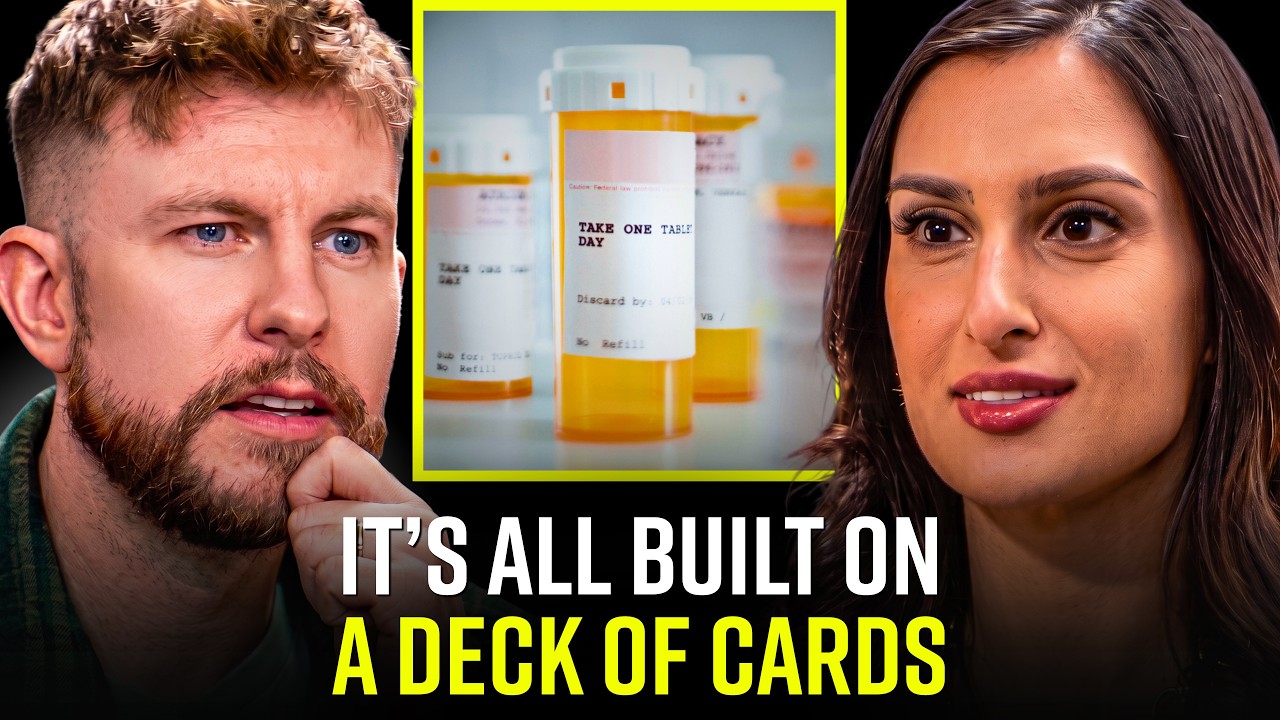
When these secondary symptoms arise—such as anxiety, digestive distress, or metabolic slowdown—patients frequently return to the medical system. Instead of connecting these issues back to the initial prescription, practitioners often hand out entirely new medications: antidepressants, statins, or gastrointestinal drugs. This creates a cascading deck-of-cards effect where one pharmaceutical intervention necessitates three more, locking the patient deeper into the sick-care ecosystem.
Breaking the Cycle of Chronic Medical Dependence
Recognizing the birth control pill as a pharmaceutical subscription model rather than a standalone health tool is the first step toward reclaiming bodily autonomy. True healthcare focuses on restoring physiological resilience and honoring the body's innate capacity for balance. While navigating away from conventional symptom-suppression models requires courage and lifestyle restructuring, it opens the door to genuine recovery and hormonal sovereignty.
For a comprehensive look at how modern medicine monetizes chronic reliance and what you can do to step outside the system, Listen to the full episode of FORGED featuring Dr. Sierra Bains. Dive into the conversation to uncover how systemic incentives shape your health choices and learn how to navigate a system built on recurring revenue.
Frequently Asked Questions
Why is birth control compared to a subscription model?
Birth control requires continuous, lifelong monthly refills rather than curing an underlying condition, ensuring a steady, recurring revenue stream for pharmaceutical companies over decades of use.
How does starting birth control in adolescence affect development?
Introducing synthetic hormones during teenage years can suppress the natural maturation of the hypothalamic-pituitary-ovarian axis, short-circuiting the body's natural feedback loops before they fully develop.
What happens when women stop taking oral contraceptives?
Many women experience prolonged post-pill amenorrhea, severe hormone imbalances, and difficulty conceiving because their natural endocrine communication pathways were suppressed for extended periods.
Are there secondary health issues linked to long-term pill use?
Yes, long-term use is associated with vital nutrient depletions, gut microbiome disruptions, and mood alterations, which often result in additional prescriptions rather than root-cause solutions.



 iHeartRadio
  Amazon Music
  Castbox
  PocketCasts
  Overcast