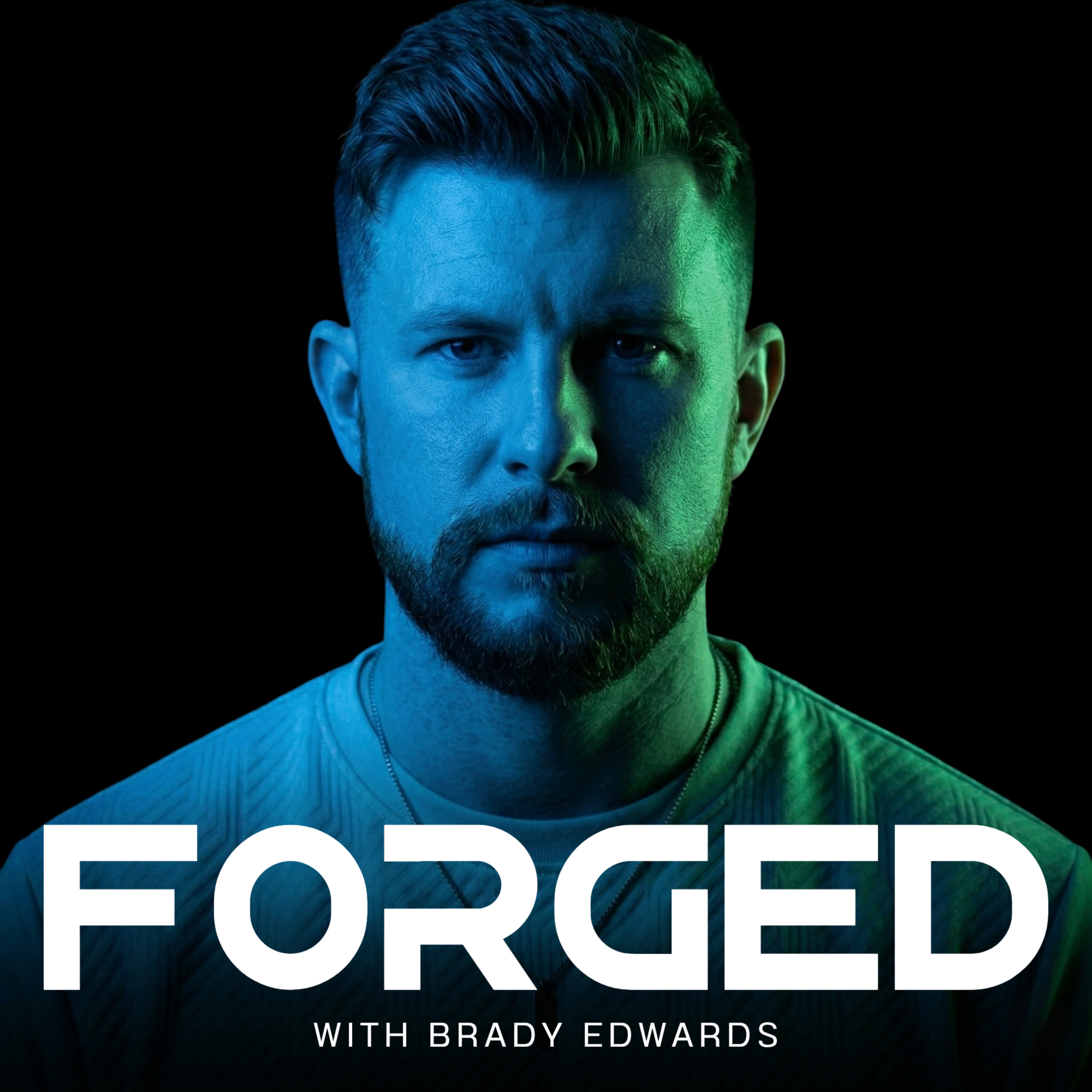
Why Moving Behind the Camera is the Ultimate Content Strategy
Stepping out from behind the scenes of massively popular digital media to launch an interview-driven show requires a complete shift in creative execution. This post breaks down the strategic transition from producing high-retention enterprise content for creators like MrBeast to building an independent intellectual podcast focused on deep mental paradigms, engineering, and advanced science.
Key Takeaways
- Transitioning from behind-the-scenes video production to hosting requires leveraging existing operational frameworks for new intellectual formats.
- Audience retention strategies honed in viral YouTube production directly translate to holding attention during long-form, deep-dive expert interviews.
- Shifting creative focus from purely visual spectacle to profound cognitive paradigm shifts changes long-term content longevity.
- Building a multidisciplinary show demands curating elite subject matter experts rather than chasing casual, surface-level conversations.
- The foundational philosophy behind launching a premier interview series centers entirely on systematic, lifelong cognitive expansion.
The Shift From Producer to Host
For years, producers operating behind the camera dictate the pacing, narrative arc, and visual language of digital media without ever stepping into the public eye. Working alongside creators pulling billions of views instills an obsessive discipline regarding viewer drop-off, emotional pacing, and algorithmic engagement. However, moving in front of the camera to anchor an intellectual interview platform requires an entirely different skill set. It is no longer just about engineering a visually stunning frame or orchestrating a high-stakes challenge; it is about actively listening, synthesizing complex technical data in real-time, and pulling profound, actionable wisdom out of world-class scientists, engineers, and thinkers.
Translating High-Volume Production Experience to Podcasting
When you spend your formative career managing the intense demands of top-tier YouTube content—where every single second must earn the viewer's attention—you develop a zero-tolerance policy for fluff. This rigorous standard is precisely what separates mediocre interview podcasts from exceptional ones. Instead of settling for casual, meandering chit-chat, a producer-turned-host approaches every single episode like a high-stakes production. Every question must challenge the guest, push past conventional talking points, and deliver a paradigm-shifting takeaway for the listener.
Engineering Curiosity in Long-Form Media
Modern audiences are suffering from an epidemic of surface-level content. Short-form clips dominate the landscape, offering quick hits of dopamine but leaving intellectual curiosity entirely unfulfilled. The antidote to this cultural fatigue is intentional, deep-dive long-form media. But achieving success in long-form requires deliberate structural engineering. You cannot simply turn on a microphone and hope for a compelling conversation. You must curate guests who are operating at the bleeding edge of their respective fields—whether that is artificial intelligence, advanced engineering, foreign policy, or medical science—and interrogate their life's work with relentless curiosity.
The Architecture of a World-Class Interview
Crafting an interview that permanently alters how an audience views the world demands meticulous preparation. A host must understand the guest's domain deeply enough to bypass basic introductory explanations and drop straight into advanced methodologies. This approach ensures that listeners walk away not just entertained, but cognitively upgraded. It mirrors the exact same iterative refinement process used in scaling massive YouTube channels: test the premise, analyze the friction points, eliminate the boring elements, and amplify the profound insights.
Building an Independent Editorial Vision
Transitioning from working within someone else's media ecosystem to owning your own editorial vision is a monumental leap. It allows creators to stop optimizing solely for algorithmic velocity and start optimizing for intellectual legacy. When you control the platform, the mission can expand beyond mere entertainment into genuine epistemological exploration. Every episode becomes a brick in a larger structure designed to challenge dogmatic thinking, cross-pollinate ideas across disparate industries, and challenge the boundaries of what an audience believes is possible.
Conclusion
Stepping out from behind the camera is not just a career pivot; it is a declaration that the most valuable asset a creator can possess is an insatiable appetite for deep, cross-disciplinary knowledge. By applying the rigorous pacing and production standards of elite digital media to high-level intellectual discourse, creators can build platforms that fundamentally upgrade how society thinks. To explore these concepts further and dive into conversations with the world's leading minds, you can Listen to the full episode and subscribe to begin your own journey of cognitive expansion.
Frequently Asked Questions
Why do producers choose to step in front of the camera after years behind the scenes?
Transitioning from behind the camera to hosting allows seasoned media professionals to apply their deep understanding of audience engagement, narrative pacing, and content architecture directly to intellectual discussions they are personally passionate about.
How does high-volume YouTube production experience translate to podcasting?
Experience in high-retention digital media instills a strict intolerance for conversational filler. Producers know how to keep a narrative moving, eliminate slow pacing, and focus relentlessly on what provides maximum value to the viewer or listener.
What makes an interview-based podcast truly stand out in a crowded market?
A podcast stands out when it avoids casual, surface-level interviews and instead focuses on bringing on world-class experts across complex fields like AI, medical science, and advanced engineering to deliver genuinely paradigm-shifting perspectives.
How can listeners get the most value out of deep-dive interview content?
Listeners maximize value by treating each episode as an active learning session—taking notes on unfamiliar concepts, challenging their own preconceived biases, and applying the mental frameworks discussed by the expert guests to their own lives and careers.